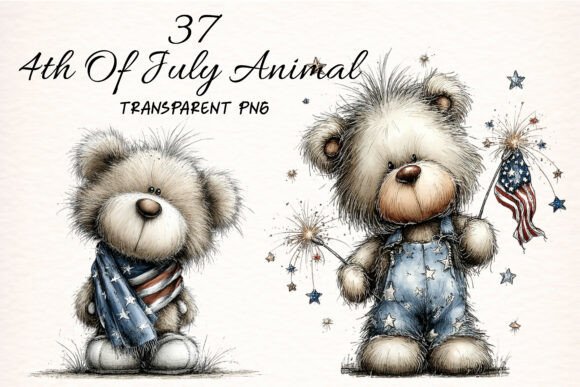
Watercolor 4th of July Animal Clipart: A Designer's Guide
When you think of patriotic design assets, your mind might jump to static stars, stiff stripes, and generic eagles. But as a designer who has spent years navigating the tension between holiday kitsch and modern branding, I’ve found that the most memorable campaigns often rely on unexpected elements. This is where Watercolor 4th of July Animal Clipart enters the conversation. It isn’t just a set of images; it’s a stylistic bridge between the warmth of handmade art and the precision required for professional commercial use.
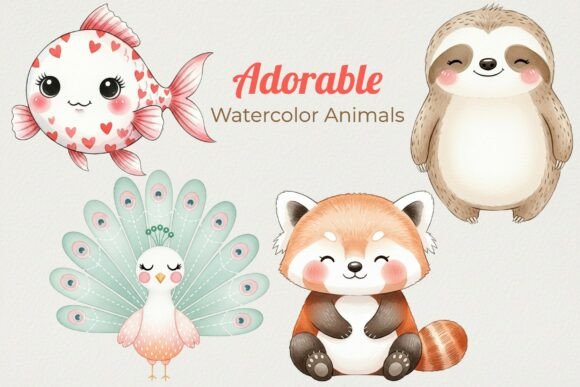
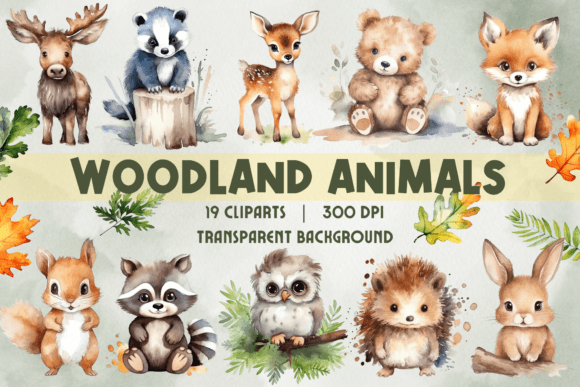
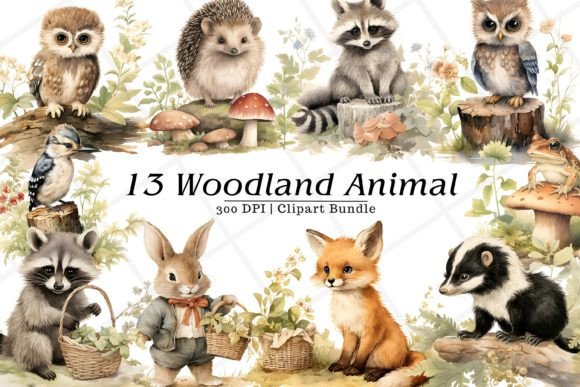
The visual language of this collection is distinctly organic. In a digital landscape saturated with flat vector graphics and AI-generated textures, authentic watercolor washes offer a tactile quality that resonates on a psychological level. The bleeding edges of the paint, the slight texture of the paper grain, and the layering of translucent reds, whites, and blues create a sense of authenticity that rigid digital shapes cannot replicate. For the entrepreneur or content creator, this style suggests a brand that values craftsmanship. It softens the corporate edge, making the Watercolor 4th of July Animal Clipart perfect for lifestyle brands, boutique shops, and family-oriented publishers who want to appear approachable yet polished.
Technical Specifications: The Foundation of Professional Design
Before we discuss application, we have to talk about the nuts and bolts. One of the most common mistakes I see in the design community is purchasing assets that look great on screen but fall apart in production. That is not an issue here. The collection includes 37 PNG files, all featuring transparent backgrounds. This is critical for layering. Whether you are placing these animals over a textured background in a junk journal or overlaying them onto a photograph for a social media post, the transparency allows for seamless integration without the "white box" effect.
Furthermore, the technical specs are built for scalability. We are looking at High Resolution – 300 DPI. For the uninitiated, DPI stands for "dots per inch." 72 DPI is standard for web, but anything destined for print—especially detailed work like t-shirt transfers or large wall art—requires 300 DPI to avoid pixelation. With dimensions ranging up to 12 x 12 inches on the longest side, you have significant flexibility. You can shrink these assets down for a phone case icon without losing clarity, or scale them up for a poster or a tote bag without the edges becoming jagged. This is the definition of a premium font (or in this case, asset) experience; it respects the constraints of professional printing.
Bridging the Gap: Branding and Marketing Applications
How does a watercolor bear or a painted eagle influence your brand identity? It comes down to visual hierarchy and tone. In editorial design or packaging design, the goal is to capture attention immediately. These clipart files act as focal points. Because the style is illustrative, it pairs exceptionally well with clean sans serif fonts. Imagine a Fourth of July sale banner: a bold, sans-serif headline in navy blue, anchored by a watercolor animal illustration. The contrast between the geometric typeface and the organic art creates a dynamic tension that guides the viewer's eye.
For those in the digital space, the application extends far beyond holiday decor. Social media graphics thrive on personality. Using these animals in your Instagram stories or Pinterest pins can increase engagement because they break the monotony of standard stock photos. They work beautifully as part of a font pairing strategy, too. If your brand voice is whimsical or family-friendly, you might pair these illustrations with a script font or a handwritten font. If your brand is more modern and direct, let the watercolor art provide the softness while a modern typography headline delivers the message.
From Screen to Print: Real-World Project Ideas
The versatility of this collection is its strongest selling point. I often advise clients to look for design assets that offer a high return on investment—meaning you can use them in multiple ways without them looking repetitive. Here is how you can leverage the Watercolor 4th of July Animal Clipart across different mediums:
- Print-on-Demand & Apparel: The transparent backgrounds make these ideal for heat transfers. They look stunning on T-shirts, tote bags, and even baby onesies. The watercolor style reads as "boutique" rather than "mass-produced," allowing you to price your products higher.
- Stationery & Invitations: For cards & invitation design, these assets are perfect. You can create a cohesive set of greeting cards or printable decoration elements. Because they are high-resolution, you can use them as background elements or as the main centerpiece.
- Home Decor & DIY: Think about coasters, mugs, or holiday ornaments. The 12-inch sizing allows you to print these on standard crafting paper for scrapbooking or junk journaling without needing to upscale them.
- Digital Products: If you are a digital planner creator, these are gold. You can create "sticker" sheets for apps like GoodNotes. Similarly, digital planners and phone covers benefit from the unique aesthetic that sets your products apart from generic competitors.
Strategic Implementation and Design Harmony
Using a creative font or asset effectively requires strategy. You cannot simply drop a watercolor animal onto a busy background and expect it to work. My recommendation is to treat these illustrations as the "hero" of your layout. If you are designing wall art or room decor, give the image breathing room. Use negative space to let the watercolor edges shine.
When considering web design or logo design, use these assets sparingly. A watercolor element can be a fantastic background texture or a secondary icon, but for a primary logo, ensure the details remain visible when scaled down to a favicon size. However, for sub-brands or seasonal campaigns, incorporating these animals can refresh your brand identity without a complete overhaul.
Finally, a note on the commercial aspect. This is a digital product, which means you have immediate access to start creating. Whether you are a seasoned marketer launching a holiday campaign or a hobbyist making vinyl decals for friends, the barrier to entry is low, but the quality ceiling is high. By choosing assets that are professionally rendered and technically sound (300 DPI, transparent PNGs), you ensure that your final product—be it a tumbler wrap or a digital ad—looks professional and trustworthy.
In summary, the Watercolor 4th of July Animal Clipart is more than just holiday flair. It is a versatile toolkit for adding depth, personality, and a touch of handcrafted charm to your projects. It bridges the gap between rustic and modern, offering endless possibilities for those willing to experiment with font pairing and layout design.