Animal Collection Illustration: A Designer's Toolkit for Brand Personality
When you're building a brand or a campaign, the details are what separate the good from the forgettable. A cohesive visual language doesn't just happen; it's built with intentional assets. That's why a versatile resource like the Animal Collection Illustration set is so valuable. It's more than just a collection of drawings—it's a ready-made cast of characters that can instantly inject personality, warmth, and narrative into a project. This isn't about generic clip art. It's a curated toolkit designed for professionals who need to communicate a specific feeling quickly and effectively.
Visual Character and Stylistic Appeal
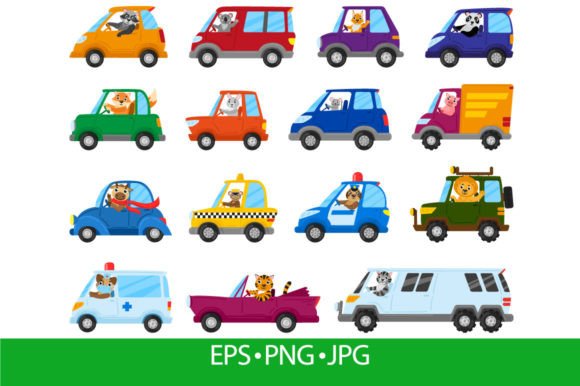
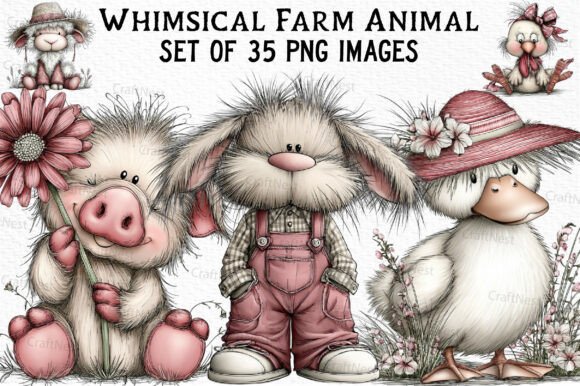
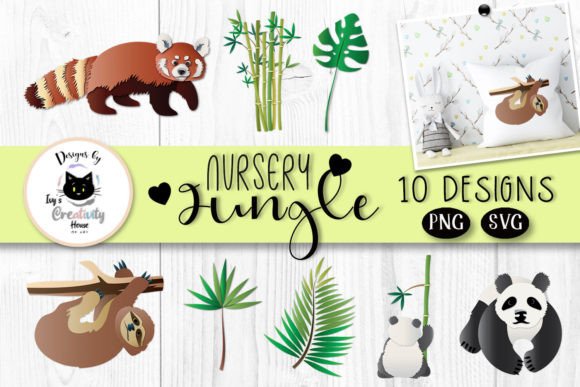
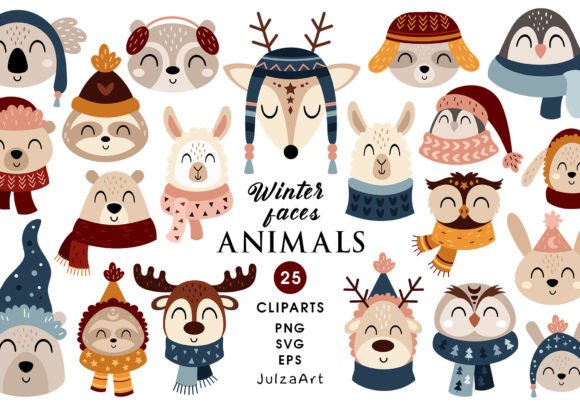
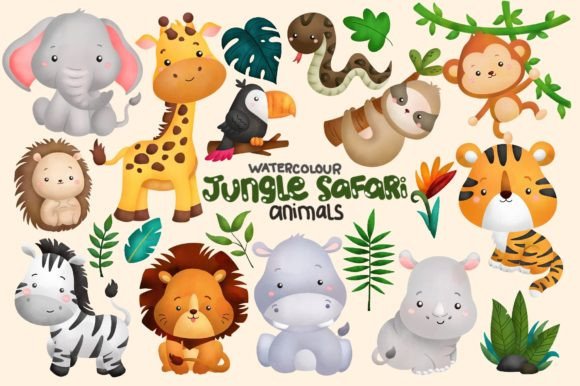
The strength of this Animal Collection Illustration lies in its consistent and approachable style. The illustrations strike a careful balance between stylized and recognizable. They likely avoid hyper-realism, which can feel cold, and overly simplistic cartoonishness, which might undermine professionalism. Instead, you'll find clean lines, thoughtful color palettes, and expressive poses that convey personality without overwhelming a layout. Each animal is rendered with enough detail to be engaging but is simplified enough to work at various scales—from a small favicon to a hero image on a website.
This style of illustration feels modern, friendly, and trustworthy. It has a handmade quality that suggests authenticity and care, which is a powerful counterpoint to the sterile, algorithm-generated imagery flooding the digital space. The personality here is key: it's whimsical without being childish, sophisticated without being stuffy. This makes the Animal Collection Illustration a potent tool for brands that want to appear human-centric, creative, and relatable. It’s a premium font equivalent in the illustration world—a high-quality asset that elevates a project's baseline aesthetic.
Strategic Applications Across Projects
Understanding where this collection shines is about matching its personality to your project's goals. For brand identity, these illustrations can become the cornerstone. A startup targeting families or pet owners could use a specific animal as a mascot, weaving it into their logo design, packaging design, and social media graphics. This creates instant recognition and a cohesive brand story. In editorial design, think of a blog or magazine. A series of animal illustrations can be used as spot art to break up text, illustrate complex ideas with a metaphor (like a wise owl for a leadership article), or create themed sections that readers look forward to.
The applications extend far beyond traditional print. In web design, these assets can transform user experience. They can serve as engaging loading animations, custom icons for navigation, or illustrative elements on a 404 error page that keeps visitors smiling instead of frustrated. For packaging design, especially for products in the food, beverage, or children's goods space, the right animal illustration can tell a story on the shelf, conveying natural ingredients, playful energy, or artisanal quality. Marketers and content creators will find them invaluable for social media graphics. A consistent illustration style used across Instagram posts, Pinterest pins, and LinkedIn articles builds a recognizable visual feed that stops the scroll and boosts engagement.
Practical Integration and Design Considerations
Acquiring the files is the first step; integrating them skillfully is what delivers results. The package provides maximum flexibility with AI, EPS, SVG, JPG, and PNG formats. The vector files (AI, EPS, SVG) are your workhorses for any professional application. They allow you to scale the illustrations to any size without quality loss—critical for everything from a business card to a trade show banner. You can also easily edit colors within these files in Adobe Illustrator or a compatible program to match your exact brand palette, ensuring seamless integration into your existing brand identity.
When using the Animal Collection Illustration, think about context and pairing. An illustration should complement your typography, not compete with it. If you're using a strong display font for headlines, a simpler, more muted illustration might work best nearby. Conversely, a delicate script font or handwritten font could pair beautifully with the organic feel of the illustrations. Always test for readability. Ensure that placing an illustration near text doesn't create visual clutter or make the copy hard to scan. Use them as accents and focal points, not as backgrounds that fight with your message.
For commercial projects, the included license is straightforward, allowing for use in client work, merchandise, and digital products. This removes a major hurdle for designers and small business owners who need clear, legal pathways for their assets. Before finalizing a design, create a simple mockup. Place the illustration on a sample website layout, a product label, or a social media template. This real-world test will reveal how the asset interacts with other design elements—your chosen font pairing, color scheme, and layout structure. It’s the best way to ensure the Animal Collection Illustration enhances your project's professionalism and visual hierarchy, rather than just decorating it.
Ultimately, a resource like this is about saving time and elevating quality. It provides a cohesive set of design assets that work together, giving you a head start on creating a polished, professional outcome. Whether you're a designer building a client's brand identity, an entrepreneur crafting your own, or a content creator looking for a signature visual style, this collection offers a practical and potent solution. It’s a tool that helps you communicate more clearly, connect more deeply, and stand out more distinctly in a crowded visual landscape.