Cute Cartoon Animal Drivers on Toy Cars: A Designer's Playful Toolkit
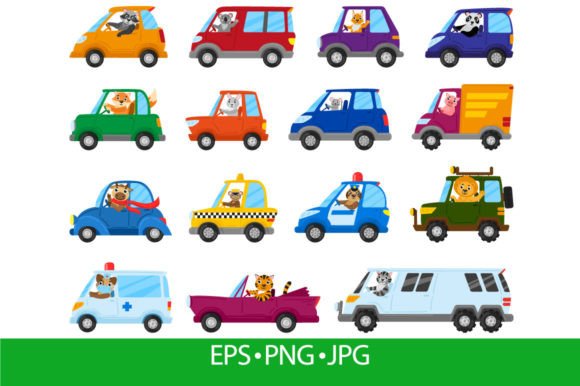
There’s a specific kind of energy that jumps off the screen when a lion in aviator goggles grips the wheel of a tiny red sports car, or a raccoon in a chauffeur’s cap pilots a vintage taxi. This isn’t just clip art; it’s the world of Cute Cartoon Animal Drivers on Toy Cars, a collection that brings instant personality and narrative to any project. As designers and creators, we’re always searching for assets that do more than just decorate—they need to communicate a feeling, tell a micro-story, and connect with an audience on an emotional level. This set, featuring charming animal characters piloting everything from ambulances to toy trucks, accomplishes exactly that with a generous dose of humor and warmth.
Unpacking the Visual Charm: More Than Just Cute Faces
What makes this particular style of vector illustration so effective? It’s the careful balance of several key elements. First, the characters themselves are rendered with exaggerated, friendly features—big eyes, rounded bodies, and expressive poses that convey excitement, determination, or cheerful duty. They aren’t realistic animals; they’re personalities. A mouse driving a delivery van feels plucky and adventurous. A bear in a fire truck looks heroic and dependable. This immediate character projection is a powerful tool for brand identity, especially for businesses targeting families, children, or anyone who appreciates a lighthearted, approachable aesthetic.
The vehicles, while simplified and toy-like, are recognizable icons: the ambulance, the taxi, the police car, the construction vehicle. This clarity is crucial. In packaging design or social media graphics, you have seconds to communicate an idea. A child seeing a toy ambulance with a happy animal driver instantly understands the theme of play, care, and adventure. An adult sees nostalgia and whimsy. The color palettes are typically bright and saturated, ensuring visibility and impact across both digital screens and printed materials. The line work is clean, making these assets versatile for scaling without losing quality—a key consideration for any premium font or graphic asset set.
Strategic Applications: Where These Characters Drive Engagement
Thinking of these illustrations merely as "cute pictures" would miss their strategic potential. They function as a creative font for visual storytelling, adding a layer of narrative that static graphics often lack. Here’s where they truly shine:
- Brand Identity & Logo Design: For a children’s boutique, a daycare, a toy store, or a family-friendly cafe, incorporating a single animal driver into a logo or mascot creates an unforgettable hook. It’s more memorable than a generic icon and builds immediate emotional rapport.
- Editorial & Publishing: In children’s books, educational workbooks, or parenting blogs, these illustrations can break up text, illustrate concepts (like community helpers or transportation), and keep young readers engaged. A series of them can even become recurring characters.
- Digital Marketing & Web Design: Use them in website banners, email headers, or explainer graphics to soften a corporate message or highlight a family-oriented service. A raccoon taxi driver could perfectly accompany a blog post about "navigating city life with kids."
- Packaging & Product Design: On product labels, stickers, or wrapping paper, these characters add shelf appeal. They work exceptionally well for artisan goods, organic baby products, or any item where you want to convey care, fun, and quality craftsmanship.
- Personal & Commercial Crafting: For hobbyists and small business owners creating custom invitations, party decorations, T-shirt designs, or vinyl decals, having access to JPG, PNG, and EPS files is essential. The EPS format allows for unlimited scaling and color customization, making it a true design asset for professional use.
Making the Choice: Practical Guidance for Your Project
Before you dive in, treat this set like any other design asset in your toolkit. Evaluate it against your project’s specific needs. The whimsical, illustrative style is perfect for certain contexts but might clash with others. A law firm’s website? Probably not. A pediatrician’s office brochure or a family restaurant menu? Absolutely.
Consider visual hierarchy. These characters are inherently attention-grabbing. Use them as focal points, not background noise. Pair them with clean, legible typography—perhaps a friendly sans serif font for body text or a playful handwritten font for headlines—to create a balanced composition. The goal is to let the illustrations add personality without overwhelming the core message.
Always check the licensing. A commercial font or asset license is non-negotiable if you’re using the work for client projects, merchandise, or any for-profit endeavor. The included file formats offer flexibility: use PNGs for quick digital placements with transparency, JPGs for standard web use, and EPS files for high-resolution print work or when you need to edit colors to match a specific brand identity palette.
Ultimately, the power of Cute Cartoon Animal Drivers on Toy Cars lies in its ability to inject joy and relatability into a project. It’s a modern typography and illustration trend that leans into nostalgia and universal appeal. By understanding its strengths and applying it thoughtfully, you can transform a mundane layout into something that sparks a smile and creates a lasting connection with your audience. It’s not just about being cute; it’s about being effectively engaging.